Beautiful Plants For Your Interior
Beautiful Plants For Your Interior
At Independent Gaming, we sit between operators and their table-game suppliers, so I’m constantly reading how a low-stakes feature like cash out ultimate texas holdem with $5 gets positioned once it lands on a real-money lobby. The question isn’t whether the mechanic works – it’s whether the player can actually find it. Most Australians aren’t browsing on a Saturday afternoon with time to spare. For a quick reference, the catalogue overview at https://hit-the-gold-au.com/ lays out where the title sits among Evolution and Pragmatic Play Live releases.
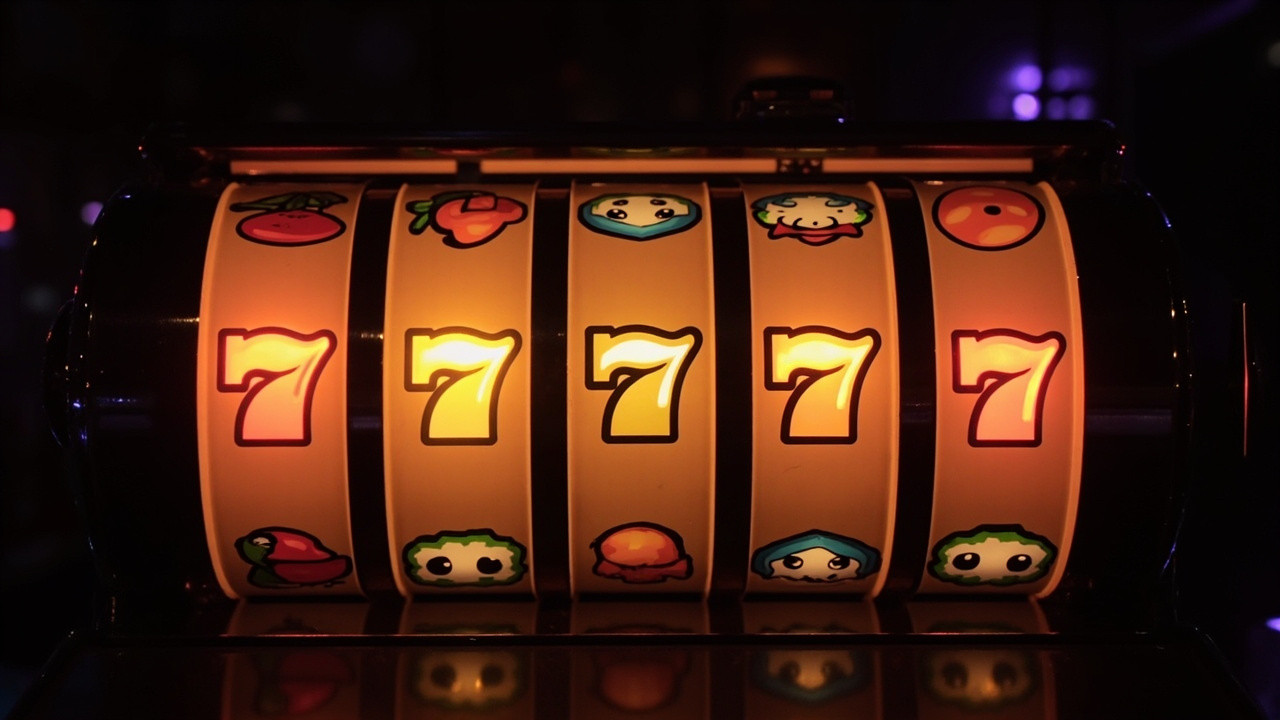
The weekender usually arrives after a long week, opens the lobby, scrolls past the jackpot tiles, and looks for something familiar. Ultimate Texas Hold’em is recognisable enough, but the $5 cash-out button only matters if it’s visible at the table, not tucked behind a settings menu. In our supplier audits, Evolution’s UTH release groups the bet slider and cash-out toggle together on the main betting circle, which is a small but deliberate decision – it means a Cairns-based player depositing on a Friday night doesn’t need to learn a new layout to use the feature.
Daniel Hughes, Risk and Integrity Manager at Banksia Betting Partners, puts it more bluntly: “If a $5 mechanic only lives in a sub-menu, you’re effectively gatekeeping it behind curiosity.” That’s the catalogue problem in plain terms – a feature designed for small stakes needs a placement that respects the small-stakes player. Operators that fold live-dealer content into a single searchable filter, rather than a hard-coded row of thumbnails, make the cash-out discoverable in three taps instead of seven. That matters most when cost-of-living pressure pushes the player toward a short session rather than a long one – every tap is a friction point.
The regular cares less about the splash art and more about seat availability. They want to know whether the lobby offers multiple stake ladders – $1, $2, $5, sometimes $10 – and rotates dealers fast enough to keep seats from sitting idle during a Townsville arvo session. A roster running only one $5 UTH table from Pragmatic Play Live will feel thin; pairing it with Ezugi or OnAir Entertainment fills out the catalogue in a way the regular notices.
From a supplier strategy angle, I see operators splitting live-dealer inventory across two studios so the $5 bracket doesn’t collapse when one provider’s table is full. That matters when payday lands midweek and a Brisbane player wants a quick session – they need at least one seat, not a closed-table message. The cash-out stays consistent across providers, but the lobby must expose enough variants to keep the regular from drifting toward a competitor.
Alice Walsh of Daintree Digital Ventures puts it bluntly: “$5 UTH is treated as a retention product – the catalogue around it matters more than the rake.” That tracks with what I see on the supplier side – depth is the differentiator, not headline pricing.
The grinder is paying attention to every dollar, especially when cost-of-living pressure has stretched the household budget thin. They open the lobby, hit the search bar, and type “ultimate texas holdem” or “UTH” expecting a result that actually filters down to stake size. Lobbies that only offer a category dropdown – “All Table Games,” “Live Dealer,” “New” – force the grinder to open every tile before finding the $5 table. That’s friction a budget-conscious player will defo notice.
A better catalogue approach lets stake size and provider sit alongside the genre filter. If a Sunshine Coast player wants Evolution’s $5 UTH specifically, they should be able to narrow it in two clicks. Some operators now expose a “low-stakes” badge on thumbnails, which is a tiny UX touch but a meaningful one for the grinder. The cash-out feature becomes useful only when the player can find the table that supports it; otherwise the mechanic is wasted engineering.
Players comparing lobby polish across operators often share findings on Aussie Frugal threads, where a missing stake filter gets flagged within hours – and operators do read those threads. Catalogue decisions get shaped by what the grinder can actually navigate.
At Independent Gaming, when a supplier pitches a $5 UTH release, the catalogue question is the first thing we assess. Does the studio support multiple stake ladders? Is the cash-out toggle visible without sub-menus? Does the lobby asset set include low-stakes thumbnails, or only the $25 high-roller version? A weak asset set means the operator ends up with one tile that misrepresents the stake range, and the $5 player never sees it.
From a commercial angle, the $5 cash-out is a retention lever more than a profit centre. It extends session length without inflating average bet size, which suits Australian cost-of-living conditions where players are stretching entertainment dollars further. Operators who recognise this adjust their catalogue weight – pushing live-dealer UTH tiles above slots in the lobby for the evening window, around the typical payday rhythm of Wednesday and Thursday. That’s a supplier-aware decision, not a marketing one.
Players comparing how operators showcase the feature sometimes cross-reference deals against Aussie deal roundups to see whether the cash-out promotion matches the table offering – catalogue and commercial signal have to align, or the whole pitch falls flat.
A $5 cash-out on Ultimate Texas Hold’em is a small commercial lever that only works when the catalogue supports it. From the supplier side, the question is never just whether the feature exists – it’s whether the lobby, the stake ladders, and the search filters make it reachable for the player it’s actually designed for. Australian cost-conscious tables deserve that level of catalogue discipline.